Khatia
Consider the Khatia and Mocha area for a first visit and convenient access to nearby lodges. Check the permitted zone and reporting point before arranging transfers.
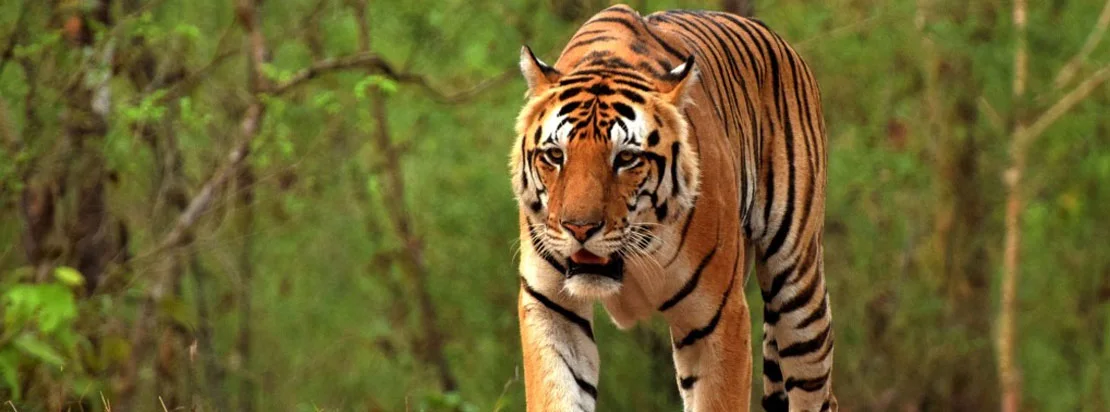
Discover the forests, meadows and remarkable wildlife of Kanha Tiger Reserve. Plan your journey around the right safari gate, season and place to stay.
Explore safari gates Discover toursKanha National Park lies in the Maikal range of central India. Its sal forests, grassy meadows and streams support a remarkable variety of wildlife, including Bengal tigers and hard-ground barasingha. The national park forms part of the wider Kanha Tiger Reserve, where conservation and regulated tourism coexist.
For a rewarding visit, choose your safari reporting gate before booking accommodation. Core and buffer drives offer different landscapes, and wildlife encounters are never guaranteed.
Discover Kanha's history →
Kanha National Park is a protected forest landscape in the Mandla and Balaghat districts of Madhya Pradesh. The park was established in 1955 and became part of the Project Tiger conservation programme in 1973. Kanha Tiger Reserve encompasses a wider protected landscape than the national park alone, including areas managed for conservation and regulated human activity.
The Maikal hills, sal woodland, bamboo, streams and open grasslands create a mosaic of habitats. The Banjar and Halon river systems are important features of this landscape. Open meadows offer opportunities to observe grazing animals, while shaded forest tracks reveal a different side of the reserve. The name Kanha Kisli is commonly used by travellers searching for the park, although Kisli is also the name of a safari zone.
Conservation is central to Kanha's identity. The recovery of the hard-ground barasingha illustrates why protecting grassland habitat matters as much as protecting predators. A visit is an opportunity to appreciate the entire ecosystem rather than treating the forest as a place to collect tiger sightings.
Match your accommodation and travel route to the reporting point printed on your permit.
Consider the Khatia and Mocha area for a first visit and convenient access to nearby lodges. Check the permitted zone and reporting point before arranging transfers.
Consider stays near Mukki or Baihar when your safari itinerary uses the southern side of the reserve. Avoid assuming that a lodge near another gate is convenient.
Consider the Sarhi and Bichhiya area for itineraries centred on this side of Kanha. Confirm the actual entry point for every drive.
Core zones and buffer zones are management areas, not ratings of wildlife quality. The core includes important protected habitats, while designated buffer tourism routes offer opportunities to explore the surrounding landscape. A permit specifies where you may travel; visitors cannot freely switch zones during a drive.
| Area | Safari zones | Planning consideration |
|---|---|---|
| Core | Kanha, Kisli, Mukki, Sarhi | Check the zone and reporting gate together. |
| Buffer | Khatia, Khapa, Sijhora | Check current route access and operating dates. |
For a first visit, choose a zone that fits your travel dates and accommodation rather than waiting for a supposedly guaranteed tiger zone. A mix of drives may introduce you to different habitats. The Kanha safari zones guide explains the differences in greater detail.
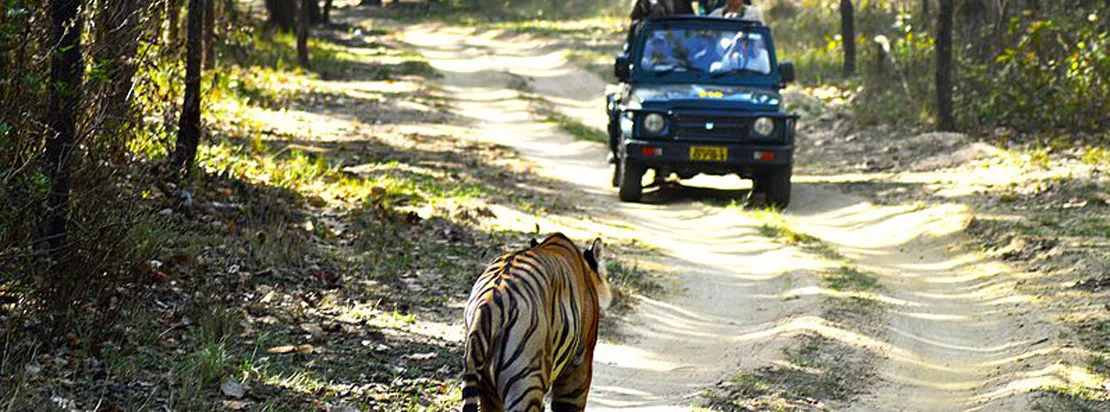
Explore designated forest routes with an authorised vehicle and guide. Compare core and buffer experiences.
Jeep safari guide →
Look beyond the tiger: deer, birds, forest habitats and seasonal changes make each drive different.
Discover wildlife →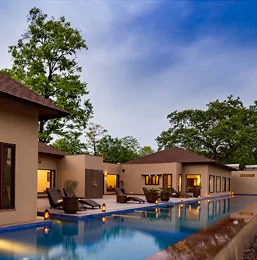
Choose a lodge according to reporting point, meal requirements, transfers and travel budget.
Explore stays →The Bengal tiger is Kanha's best-known predator, but the reserve is equally rewarding for travellers interested in deer, forest birds and animal behaviour. Hard-ground barasingha are particularly associated with Kanha's grasslands. Chital, sambar, gaur, wild boar and langurs are among the other animals visitors may encounter. Leopards, sloth bears and dholes also inhabit the wider forest landscape, although encounters are unpredictable.
Watch for grazing deer and the distinctive antlers of mature barasingha. Scan the edges of meadows rather than focusing only on the road.
Shaded forest supports a variety of birds and mammals. Listen for bird calls and observe how vegetation changes along the route.
Streams, seasonal pools and transitions between habitats can be interesting places to observe animal activity. Conditions vary throughout the year.
Birdwatchers may encounter peafowl, drongos, woodpeckers and raptors. Carry binoculars and ask your guide about unfamiliar species. Do not disturb animals for photographs or encourage a driver to approach too closely. Read the wildlife guide and flora guide for more information.
Compare permit, vehicle, guide and service costs. Ask for a written breakdown before paying.
Price guide →Morning and afternoon schedules vary by season. Follow the current reporting instructions on your permit.
Timing guide →Choose cooler months for comfortable travel or warmer months for a different forest experience. Check seasonal closures.
Season guide →Compare road transfers from Jabalpur, Gondia and other transport hubs according to your chosen gate.
Transport guide →Stay inside the vehicle, avoid loud noises and never feed wildlife. Follow your guide's instructions.
Visitor tips →Combine accommodation, meals, transfers and safari assistance according to your travel dates.
Compare itineraries →Arrive near your reporting gate, settle into your stay and plan a safari around confirmed availability.
Weekend tour →Allow a full day for forest drives and time to relax between shifts.
Holiday tour →Build a flexible itinerary around multiple drives, nature observation and nearby attractions.
Request a plan →A jeep safari is a guided drive on designated forest routes. It is not an unrestricted trip through the reserve. Entry depends on a valid permit, applicable identity requirements, vehicle arrangements and the forest authorities' operating rules. Keep the original identification required for your booking and ensure the passenger details match the permit.
Start with your preferred dates and number of travellers. Compare available zones and shifts, then choose accommodation near the actual reporting point. Before paying, request a clear breakdown of the permit, vehicle, guide, taxes and any independent travel assistance or hotel transfer charges. A calendar date or enquiry confirmation alone does not establish permit availability.
Morning and afternoon drives follow seasonal schedules. Morning departures can require an early lodge pickup, especially when the reporting point is some distance away. Allow enough time for travel and entry checks rather than planning to reach the gate at the last minute. Exact timings and restrictions should be checked for your chosen date.
Explore safari booking · Compare safari costs · Check seasonal timings
The best season depends on your priorities. Cooler weather is convenient for families and long drives, while warmer months offer a different view of the forest. Core tourism generally follows a seasonal opening and monsoon closure pattern; actual dates and buffer operations must be confirmed before travel.
| Period | Typical experience | What to prepare |
|---|---|---|
| October–November | Post-monsoon greenery | Check reopening and route conditions. |
| December–February | Cool mornings and comfortable days | Warm layers for open vehicles. |
| March–April | Warmer days and changing vegetation | Sun protection and water. |
| May–June | Hot summer conditions | Heat precautions and rest between drives. |
| July–September | Monsoon; core tourism generally closed | Verify any permitted buffer activities. |
No month guarantees a tiger sighting. Choose dates that suit your group's comfort and interests. See the seasonal travel guide for a more detailed comparison.
Accommodation is distributed around different approaches to the reserve. Khatia and Mocha are useful bases for western-side itineraries, Mukki and Baihar for southern-side trips, and Sarhi or Bichhiya for northern-side arrangements. The right hotel is the one that fits your confirmed safari reporting point, budget and transport needs.
Ask whether early breakfast, packed meals, hot water, parking and safari transfers are included. For families, check room occupancy and child policies. For travellers with mobility needs, confirm access to rooms and the practical requirements of boarding an open safari vehicle before committing to a booking.
Jabalpur is a common rail and air gateway, while Gondia railway station can be convenient for southern approaches. Nagpur and Raipur are other possible transport hubs. Road transfer times depend on the actual lodge, route and conditions. Avoid booking a tight return flight immediately after a morning safari.
For a two-night trip, arrive on day one and settle into a lodge near your reporting gate. Keep day two available for confirmed safari shifts, with a rest period between drives. On day three, take a morning drive only if your onward journey allows sufficient time. This is a planning example, not a confirmed package or permit reservation.
For a longer visit, allow time to explore different habitats and enjoy the lodge surroundings. If changing gates, account for the road transfer and avoid booking consecutive drives that require unrealistic travel between reporting points. Compare the total cost of accommodation, meals, transfers and each safari rather than judging a package only by its headline price.
Pack neutral-coloured clothing, binoculars, a reusable water bottle, sun protection and any personal medication. Follow the guide's instructions, remain in the vehicle where required and keep noise to a minimum. Do not feed wildlife or leave litter. Elephant safari is not offered as a current visitor activity on this website.
Explore Kanha tour packages and nearby attractions to build an itinerary that suits your travel dates.
Kanha National Park is located in the Mandla and Balaghat districts of Madhya Pradesh, in the Maikal Hills of central India.
Khatia Gate is a convenient option for many first-time visitors. Mukki and Sarhi are alternatives depending on your permit, accommodation and travel route.
Tiger sightings cannot be guaranteed in Kanha National Park. Wildlife movements, weather and forest conditions influence every safari experience.
Elephant safari is no longer offered as a regular tourist activity in Kanha. Visitors can explore designated forest routes through permitted jeep safaris.
No. This website provides independent travel planning and safari assistance. Safari permits are issued by the relevant forest authorities.
Confirm your safari reporting gate before booking accommodation. Staying near the correct gate reduces travel time and makes early morning reporting easier.
A two-night and three-day trip is suitable for most first-time visitors. Three or four nights provide more opportunities to explore different safari zones.
Kanha is the name of the national park and one of its core safari zones. Kisli is another core tourism zone within Kanha Tiger Reserve.
Yes. Buffer safaris offer opportunities to explore diverse forest habitats, birds and mammals. Wildlife sightings depend on natural conditions.
Safari zone changes depend on applicable permit conditions and availability. Confirm the rules before requesting any modification to your booking.
Carry your safari permit and the original identity documents required for entry. Visitor names and identification details should match the booking.
Safari charges depend on the selected booking option. Confirm whether the price covers a full jeep or individual seats, including permit and guide charges.
Families can plan jeep safaris with children subject to applicable entry rules. Consider age requirements, identification documents and travel comfort.
Core safari zones generally remain closed during the monsoon. Selected buffer activities may operate depending on weather, road conditions and forest regulations.
Jabalpur and Gondia are popular railway options for reaching Kanha National Park. Choose according to your safari gate, hotel location and train connectivity.
Wear comfortable clothing in neutral colours such as olive, brown or beige. Carry closed shoes, sun protection and warm layers according to the season.
Visitors can stay at hotels and resorts around Kanha without a safari permit. Entry to regulated forest safari routes requires valid permits and arrangements.
Hotel pickup and drop-off are not necessarily included in safari prices. Confirm transport, permit, vehicle, guide and service charges before booking.
Share your dates and travel requirements for independent travel assistance.